One of the most common questions before buying a designer-style bag is whether to choose genuine leather or faux leather. The honest answer is that neither is automatically better. Each has real trade-offs in how it looks, how long it lasts, how it needs care and what it costs. This guide compares them point by point so you can pick with confidence.
What Genuine Leather Really Means
Genuine leather is made from animal hide. Within that category there are grades: full-grain and top-grain hide is the strongest and ages the best, while corrected and bonded leather is cheaper and wears faster. Real leather is prized because it breathes, softens with use, and develops a patina that many owners find more attractive over time than the day they bought it. A well-made genuine leather shoulder bag can stay in rotation for years.
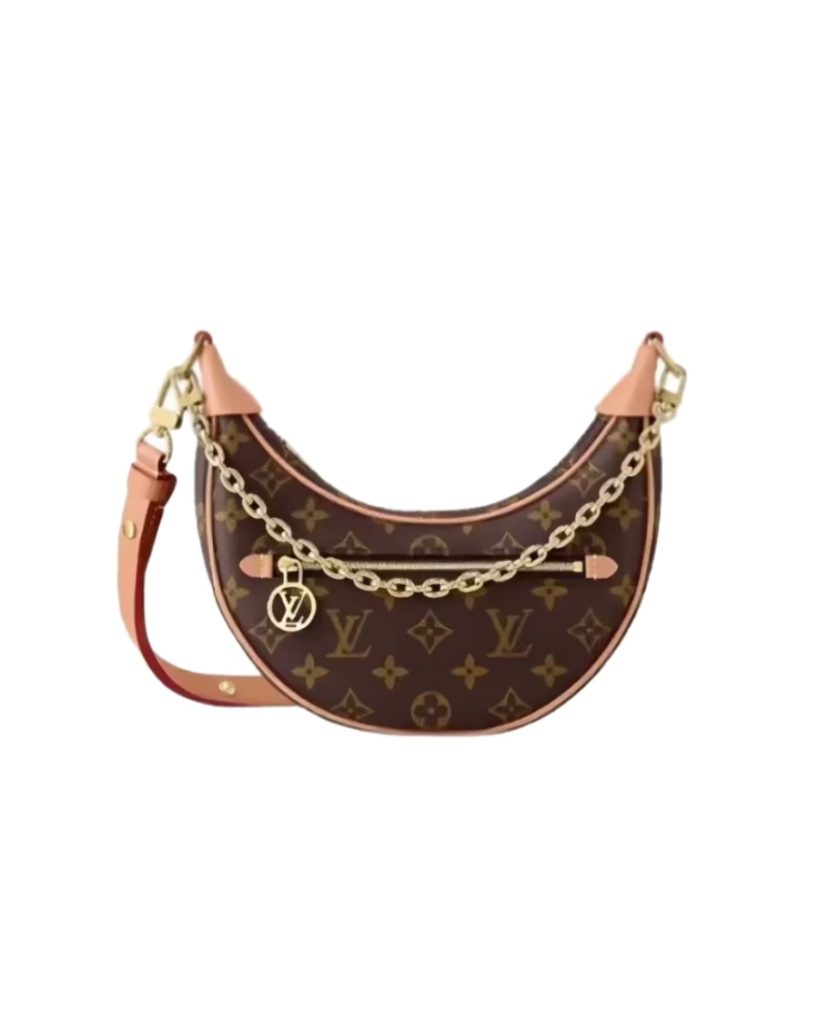

What Faux Leather Is Made Of
Faux leather, also called PU or vegan leather, is a fabric base coated with a polymer layer engineered to look like hide. Modern PU is surprisingly convincing up close, comes in consistent colors and finishes, and is usually lighter than real leather. It is also easier to clean, since the coated surface resists water and stains.
Durability: How Each One Wears
Real leather resists punctures and scuffs and, if cared for, gets better with age. Thin or low-grade leather can scratch, but scratches on quality hide can often be conditioned back. Faux leather is consistent and water-resistant at first, but over years the coating can crack or peel at high-flex points like corners and strap folds. For daily heavy use, quality genuine leather tends to win; for lighter, seasonal use, good PU holds up well.
Price and Value
Faux leather is the more affordable route to a trend color or a bag you only wear occasionally. Genuine leather costs more up front but often delivers better cost-per-wear because it lasts longer. If a bag is the centerpiece of your everyday carry, the leather version usually pays for itself over time. You can compare how our structured bags are built across the tote bags collection before deciding.
Care Requirements
Genuine leather wants occasional conditioning to keep its oils, and should be kept out of prolonged rain and direct heat. Faux leather simply needs a wipe with a damp cloth; it does not absorb conditioner, so there is nothing to feed it. If you would rather skip maintenance entirely, PU is the lower-effort choice. Our handbag cleaning guide walks through care for both materials.
Weight and Feel
Real leather, especially thick hide on structured bags, carries noticeable weight, which many owners associate with quality. Faux leather is lighter, a genuine advantage for large bags you wear on the shoulder all day. For a roomy large tote that you pack heavy, the lighter option can feel better over long days.
Which to Choose: A Simple Rule
Choose genuine leather when you want an investment bag you will use daily for years, and you like how real hide ages. Choose faux leather when you want an affordable trend piece, a lightweight carry, or a vegan-friendly option with easy care. There is no wrong pick; the best material is the one that matches how you actually live. If you are still deciding between bag types too, our handbag buying guide helps you narrow it down.
Browse both genuine leather and premium faux options in the full handbag shop, and start a first order with 10% off using code WELCOME10 at checkout.